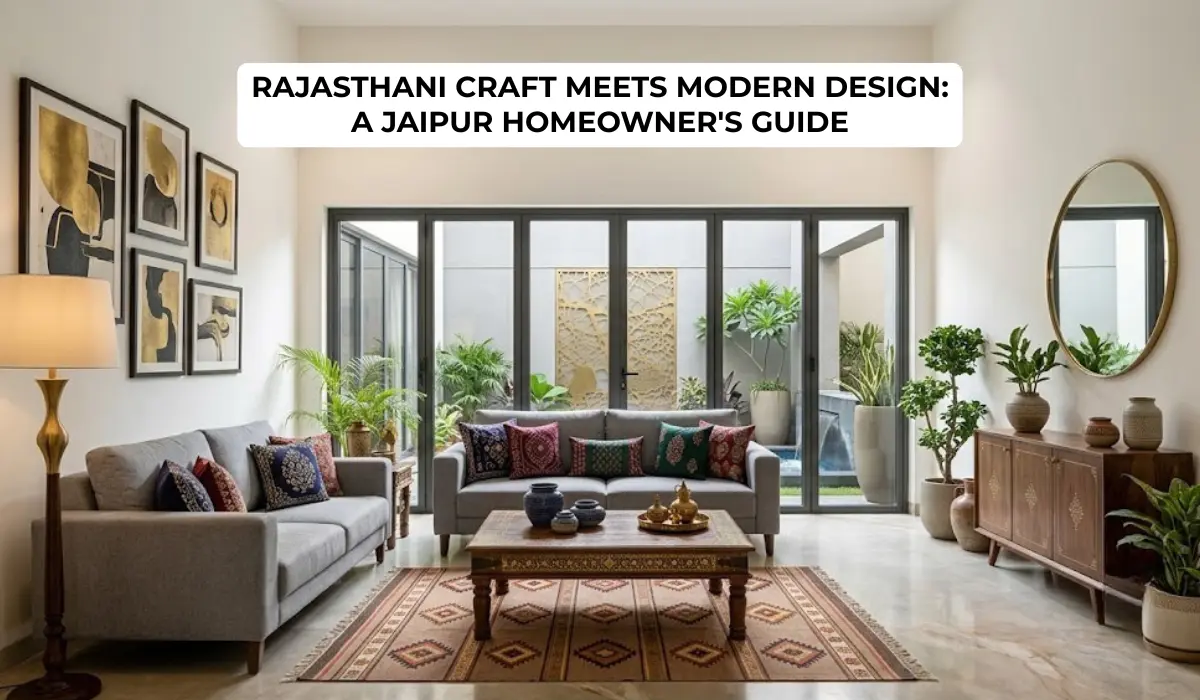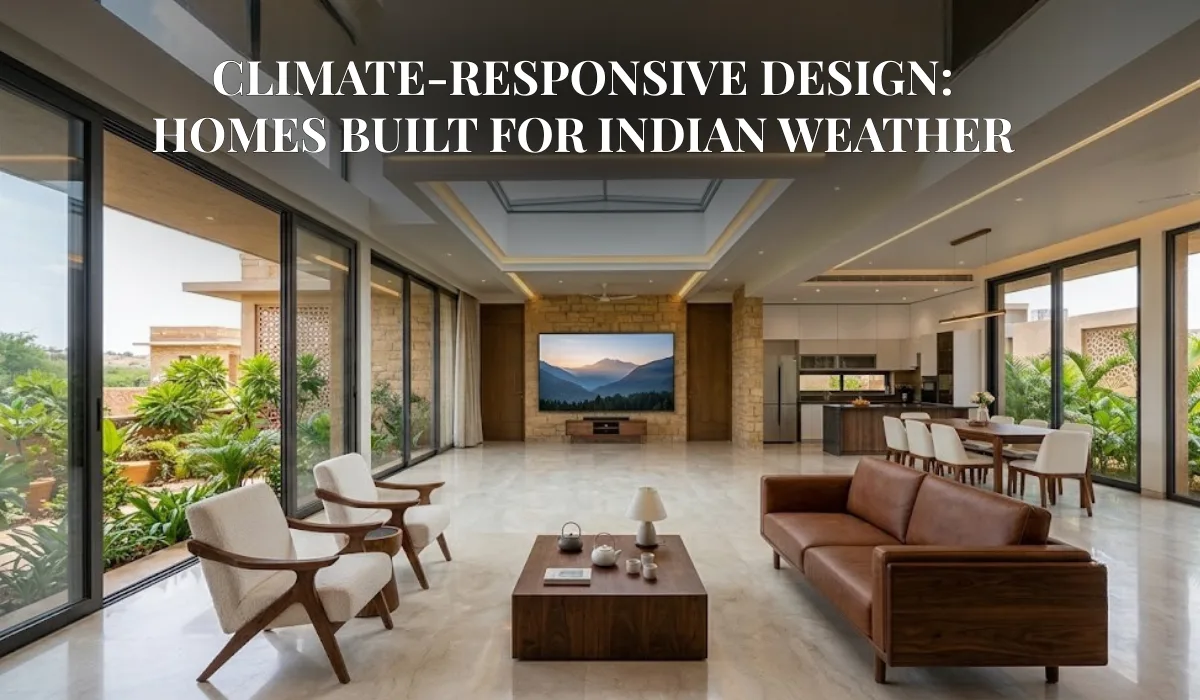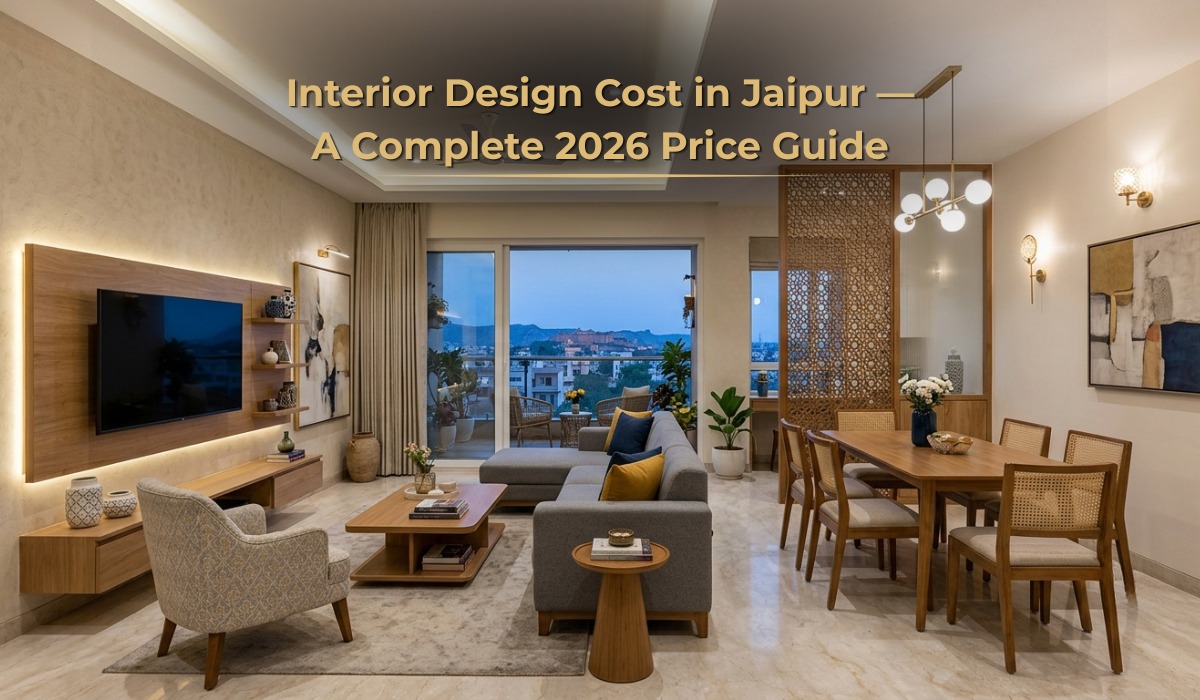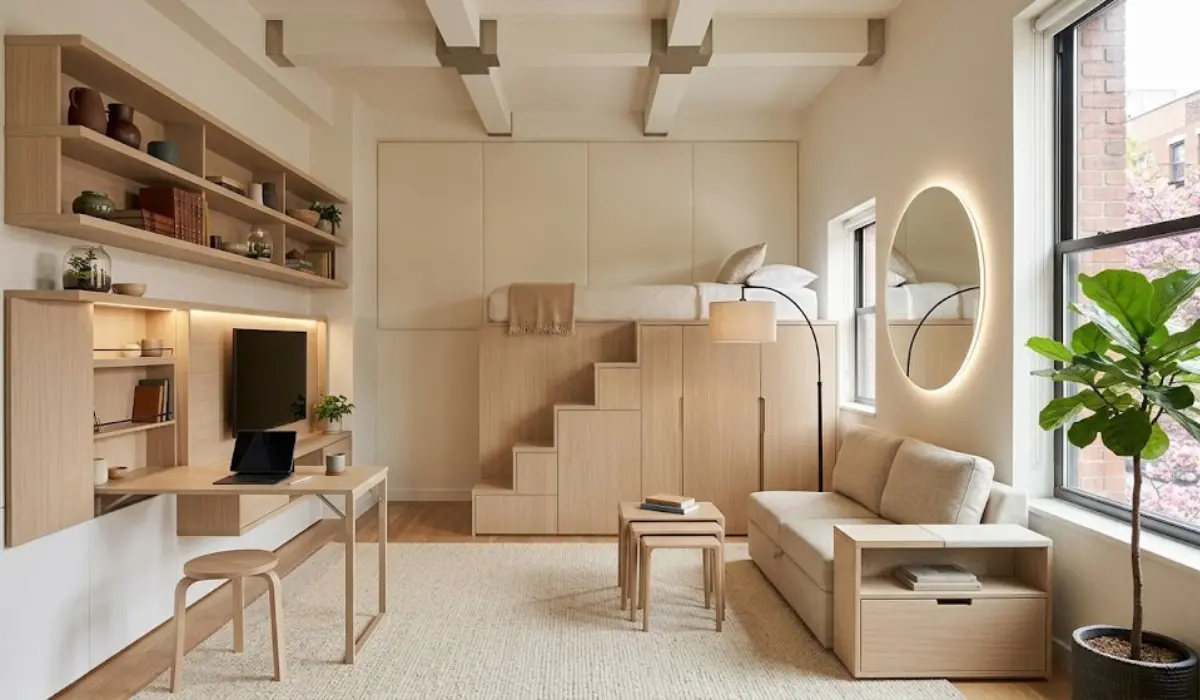
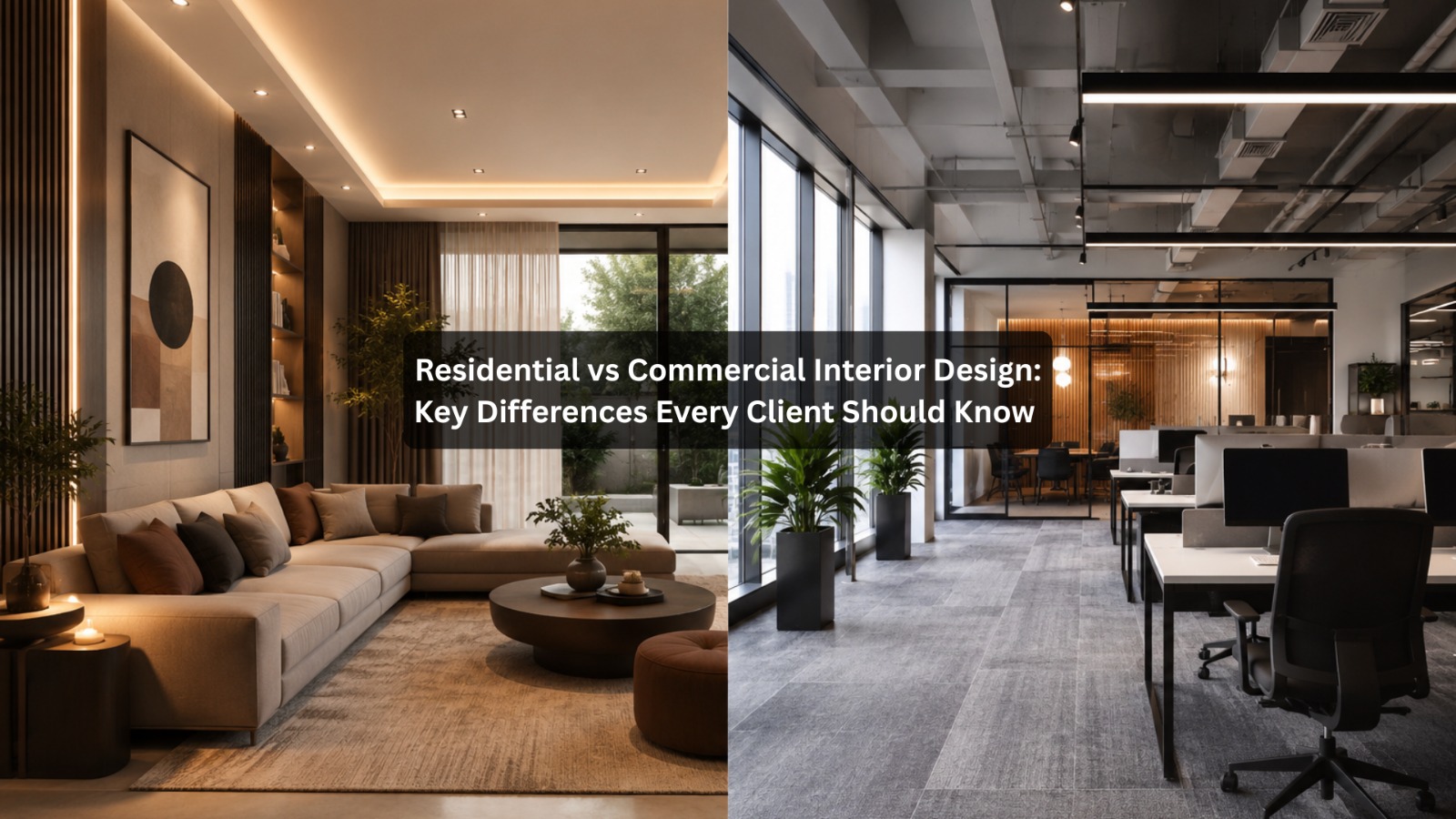
When most people hear the words “interior design”, they usually imagine beautiful homes, cosy living rooms, stylish kitchens, and luxurious bedrooms. However, interior design is a much broader world than that. In fact, designing a home and designing a commercial space like an office, restaurant, or showroom are two very different things, even though both fall under the same profession.
So, if you are planning a design project this year, understanding the difference between residential and commercial interior design can save you time, money, and a lot of frustration. Whether you want to redesign your dream home or set up a stunning office, working with the Best Interior Designer in Jaipur ensures the right approach for your specific space.
In this guide, we’ll break down the key differences between residential and commercial interior design, from goals and budgets to materials, layouts, and timelines, so you know exactly what to expect from your next project.
What is Residential Interior Design?
Residential interior design focuses on designing personal living spaces, apartments, villas, bungalows, duplexes, and individual homes. Basically, the goal is to create a space that reflects the homeowner’s personality, lifestyle, and emotional comfort.
What Residential Designers Focus On
A residential designer pays close attention to several key areas. For example:
- The family’s daily routine and preferences
- Comfort, warmth, and personal style
- Storage, functionality, and ease of living
- Aesthetic appeal and timeless beauty
Above all, residential projects are deeply personal. In fact, every choice, from sofa fabric to paint colour, is made to suit the homeowner’s taste. As a result, the space feels uniquely yours.
Moreover, our Residential & Commercial Interior Design services cover everything from 1 BHK apartments to luxury villas, with designs tailored to your lifestyle.
What is Commercial Interior Design?
On the other hand, commercial interior design focuses on workspaces and public-facing spaces, offices, restaurants, retail stores, showrooms, salons, clinics, hotels, and corporate buildings. Here, the goal is very different: the space must work hard to serve a business purpose.
What Commercial Designers Focus On
A commercial designer typically focuses on the following:
- Brand identity and customer experience
- Productivity and employee comfort
- Durability for high-traffic use
- Safety codes, accessibility, and regulations
- Functionality for staff and visitors
In short, where a home is built for emotion, a commercial space is built for performance. Therefore, every design choice supports business goals, whether that’s encouraging customers to spend more time in a store, helping employees focus better, or making clients feel welcome the moment they walk in.
Key Differences Between Residential and Commercial Interior Design
Now, let’s get into the heart of this guide, the actual differences between the two. Clearly, understanding these will help you set realistic expectations for your project.
Why These Differences Matter
Before we explore each point, it’s important to understand why this matters. Firstly, the design approach changes based on who uses the space. Secondly, the materials, layouts, and budgets all shift dramatically. Finally, choosing the wrong approach can lead to expensive mistakes and disappointing results.
1. Purpose and Design Goals
To begin with, the biggest difference lies in the why behind the design.
- Residential design is built around comfort, personalisation, and emotion. Naturally, it reflects the homeowner’s identity.
- Commercial design, however, is built around functionality, branding, and business goals. Therefore, it reflects the company’s identity and serves multiple users.
In other words, a home is a private sanctuary. Meanwhile, a commercial space is a working environment that needs to impress, perform, and adapt.
2. Scale and Project Size
Next, residential projects are typically smaller in scale, ranging from a single room to an entire 4 BHK villa. In contrast, commercial projects are usually much larger and more complex, often spanning multiple floors, departments, or zones.
For example:
- A 3 BHK home might have 5–6 main spaces to design
- A corporate office, on the other hand, might have reception, workstations, cabins, meeting rooms, pantry, restrooms, and breakout zones, all needing different design treatments
As a result, this scale difference affects everything from planning to budget to timeline.
3. Budget Structure
Similarly, budgets work very differently in each project type.
- Residential budgets are usually set by the homeowner and prioritise quality, comfort, and aesthetics. Often, spending is an emotional decision, and clients are willing to splurge on items they truly love.
- Commercial budgets, however, are typically larger but more controlled, with clear ROI expectations. In other words, every rupee should serve a business purpose, whether that’s attracting customers, boosting productivity, or strengthening brand image.
In addition, commercial projects also incur extra costs, such as compliance, signage, fire safety systems, and HVAC, which residential projects typically do not face.
4. Materials and Durability
Furthermore, this is where the two worlds really diverge.
Residential interiors generally use materials chosen for beauty, comfort, and personal taste, such as soft fabrics, decorative finishes, natural wood, marble flooring, and warm lighting. Since only a few people use the space daily, wear and tear is relatively low.
Commercial interiors, on the other hand, use materials chosen for durability and high performance, heavy-duty flooring, scratch-resistant laminates, anti-microbial surfaces, fire-rated materials, and commercial-grade furniture. After all, these spaces must handle hundreds of people daily without losing their look.
Moreover, according to a report by the World Green Building Council, commercial spaces also increasingly prioritise sustainable, low-VOC materials that protect employee health and wellbeing.
5. Layout and Space Planning
Likewise, layout planning differs significantly between the two.
- Residential layouts focus on flow between private and shared spaces, living, dining, kitchen, bedrooms, and bathrooms, with emphasis on natural light and intimacy.
- Commercial layouts, in contrast, focus on movement of people, workflow efficiency, customer journey, and zoning. As a result, they must support large numbers of users while maintaining order and clarity.
For instance, a well-planned office balances open collaboration areas with quiet zones for focused work. Similarly, a retail store layout guides customers through the space in a way that maximises engagement and sales.
Additionally, our Architectural Planning & Spatial Engineering service handles both residential and commercial layouts with precision and care.
6. Regulations and Compliance
Importantly, commercial interior design comes with a strict layer of legal and safety compliance that residential design typically doesn’t face. For example, this includes:
- Fire safety codes
- Accessibility standards (ramps, lifts, restrooms)
- Building bylaws and occupancy limits
- Electrical and ventilation regulations
- Health and hygiene codes (especially for restaurants and clinics)
In comparison, residential design has fewer regulatory requirements, mostly limited to society or builder approvals for structural changes. Additionally, the Bureau of Indian Standards (BIS) provides clear guidelines on commercial safety norms in India that designers must follow.
7. Timeline and Project Duration
Likewise, timelines vary based on project size and complexity.
- Firstly, a residential project (2 BHK to 3 BHK) usually takes 45 to 90 days.
- Secondly, a small commercial project (office or small store) takes 30 to 60 days.
- Finally, a large commercial project (corporate office, restaurant, showroom) can take 3 to 6 months or longer.
Notably, commercial projects often run on tighter deadlines because businesses lose revenue every day the space isn’t operational. For this reason, turnkey execution is so valuable for commercial clients. Therefore, you can explore our Turnkey Interior Execution service for fast, full-scope delivery.
8. Branding and Identity
Finally, this is one of the most overlooked differences. While residential interiors reflect the homeowner’s personality, commercial interiors must reflect the brand’s personality.
For example:
- A luxury fashion boutique needs an elegant, polished feel
- Meanwhile, a children’s play café needs bright, fun, energetic interiors
- In contrast, a corporate law firm needs a sophisticated, trustworthy ambience
- Similarly, a modern co-working space needs creative, flexible, vibrant design
In short, every colour, texture, and material in a commercial space sends a message to customers about the brand.
Which One Do You Need, Residential or Commercial?
So, the answer depends entirely on your project type:
- Choose residential design if you’re designing a home, apartment, villa, or any personal living space.
- Choose commercial design, however, if you’re designing an office, retail store, restaurant, salon, clinic, showroom, hotel, or any business space.
Fortunately, the best interior design firms handle both with equal expertise. Above all, the key is choosing a designer who understands the unique demands of your project type.
Therefore, if you’re unsure which approach fits your needs, the Best Interior Designer in Jaipur can guide you through the right strategy for your space, goals, and budget. Additionally, you can browse our Portfolio to see completed projects across both spaces.
Final Thoughts
To sum up, residential and commercial interior design may share the same creative DNA, but they serve very different purposes. While residential design is about emotion, comfort, and personal identity, commercial design is about functionality, branding, and performance.
In conclusion, understanding these differences helps you set the right expectations, choose the right designer, and ultimately get the best results from your project. Whether you’re transforming your home into a peaceful retreat or building a workspace that drives business success, the secret is partnering with experts who truly understand both worlds.
So, ready to start your next project? Connect with the Best Interior Designer in Jaipur today and bring your space to life, beautifully and effortlessly.
Frequently Asked Questions (FAQs)
In short, residential interior design focuses on creating comfortable, personalised living spaces that reflect the homeowner's lifestyle. On the other hand, commercial interior design focuses on functional, brand-driven spaces like offices, restaurants, and stores — where durability, business goals, and customer experience are top priorities.
Generally, yes, commercial interior design is more expensive overall because of larger project scale, premium durability materials, compliance costs, and tighter timelines. However, the cost per square foot can sometimes be similar or even lower than luxury residential design. Ultimately, it depends on the specific project, materials, and finishes.
Yes, in fact, experienced design firms handle both. However, it's important to choose a designer with proven experience in the specific type of space you're building. After all, residential and commercial design require very different planning, materials, and execution approaches.
Typically, a small office or retail store takes 30 to 60 days. Meanwhile, larger commercial projects like corporate offices, restaurants, or showrooms can take 3 to 6 months, depending on size, scope, and finishing requirements. Fortunately, turnkey execution helps ensure faster, on-schedule delivery.
First of all, look for a designer with strong experience in your specific project type (residential or commercial). Next, check for a solid portfolio, transparent pricing, and turnkey capabilities. Additionally, always review past client testimonials, project timelines, and quality of materials used. Finally, a free consultation is a great way to assess if the designer understands your vision and needs.