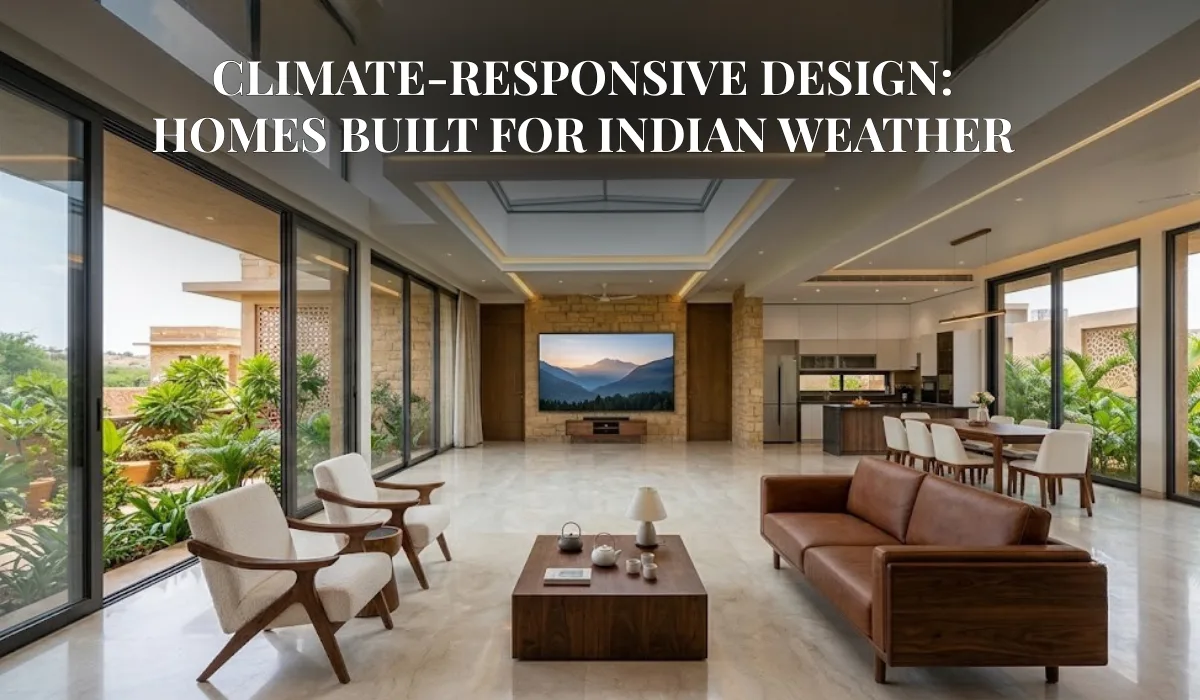
India is a country of extremes. From scorching summers in Rajasthan and Gujarat to heavy monsoons in Kerala and Mumbai, from freezing winters in Kashmir to humid coastal weather in Chennai, our homes deal with a wide range of climate conditions all year round. So, designing homes without thinking about the weather is one of the biggest mistakes Indian homeowners make. Traditional Indian homes were smart. Built with local materials, oriented for airflow, and shaded from harsh sun, they naturally kept families cool in summer and warm in winter without air conditioners or heaters.
Today, this ancient wisdom is being reborn in a modern form called climate-responsive design. It’s the art of designing homes that work with nature, using layouts, materials, and design choices that make your home more comfortable, energy-efficient, and eco-friendly. In this complete guide, you’ll discover everything you need to know about climate-responsive design for Indian homes, how it works, why it matters, and how to apply it. When you’re ready to build a home that truly suits your city and lifestyle, the Best Interior Designer in Jaipur is here to design a space that’s beautiful, sustainable, and built for Indian weather.
What is Climate-Responsive Design?
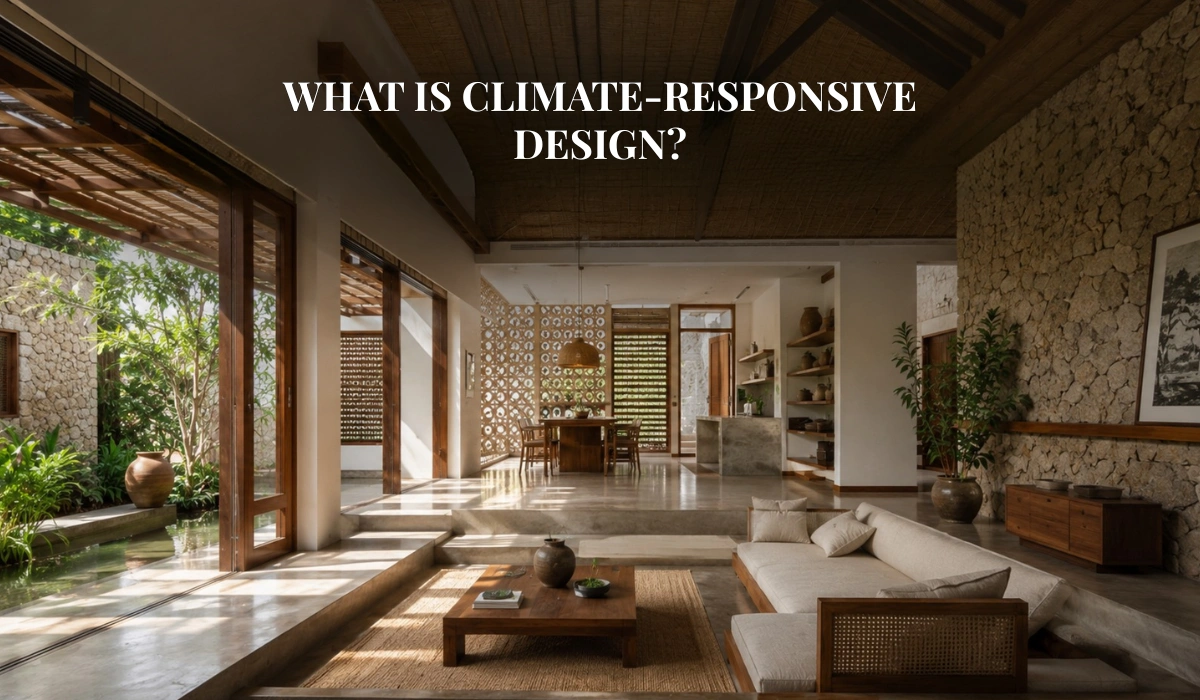
Climate-responsive design is an approach that considers the local weather, climate, and environment while designing a home. It focuses on making homes naturally comfortable, reducing the need for artificial cooling, heating, and lighting.
Key ideas behind climate-responsive design:
- Homes designed around the sun’s path and wind direction
- Materials that respond well to local weather
- Layouts that support natural ventilation and light
- Reduced dependency on air conditioners and heaters
- Lower electricity bills and better indoor comfort
- Eco-friendly design choices that support long-term living
In other words, climate-responsive design is a smart blend of ancient Indian wisdom and modern architectural science.
Why Climate-Responsive Design Matters in India
India isn’t just one climate. It’s a mix of six major climatic zones. From arid deserts to humid coasts, from cold mountains to tropical rainforests, every region has its own weather challenges. So, applying the same design rules everywhere doesn’t work.
Here’s why climate-responsive design is more important than ever:
- Rising temperatures across India each year
- Growing electricity bills due to constant AC use
- Increasing pollution and reduced air quality
- Heavier monsoons and flooding in coastal cities
- Health issues linked to poor indoor ventilation
- Global push toward sustainable living
Furthermore, designing a home that works with the climate makes daily life more comfortable and far more affordable in the long run.
The Six Climatic Zones of India
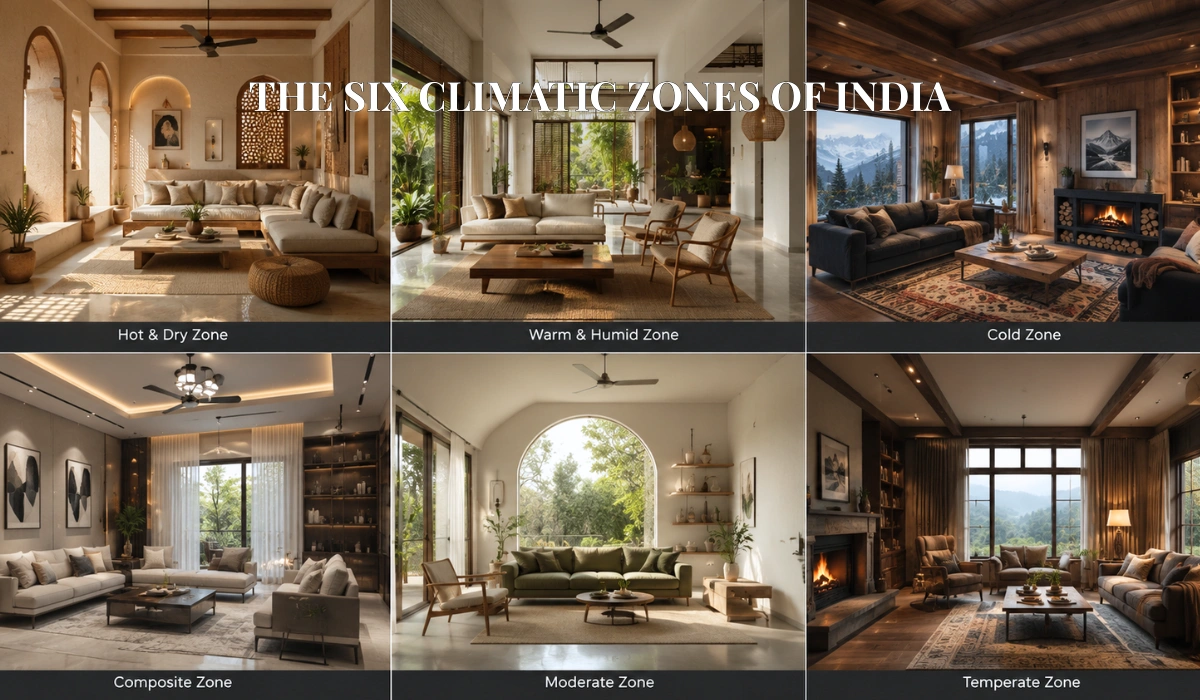
Understanding your climate zone is the first step in climate-responsive design. India is broadly divided into six major climate zones, each requiring a slightly different design approach.
Hot and Dry Zone
Includes cities like Jaipur, Jodhpur, Ahmedabad, and Delhi. Summers are extremely hot, winters are mild, and rainfall is low.
- Focus on shading and thick walls
- Use light, reflective colours
- Maximize cross-ventilation
- Include courtyards and jharokhas for airflow
Warm and Humid Zone
Includes cities like Mumbai, Chennai, Kolkata, and Kochi. Hot and sticky year-round with heavy monsoons.
- Focus on airflow and moisture control
- Elevated ceilings for better ventilation
- Waterproof materials and finishes
- Wide windows for cross-breezes
Cold Zone
Includes Kashmir, Ladakh, Shimla, and parts of the Himalayas. Long, cold winters with mild summers.
- Focus on insulation and warmth
- Use dark colours to absorb heat
- Small, sealed windows to prevent heat loss
- Wooden interiors and warm textiles
Composite Zone
Includes Delhi NCR, Lucknow, and Bhopal. All four seasons with hot summers, cold winters, and heavy monsoons.
- Focus on year-round adaptability
- Use adjustable shading and layered curtains
- Insulation for both heat and cold
- Moderate window sizes for balanced light
Moderate Zone
Includes Bangalore, Pune, and Hyderabad. Pleasant weather most of the year with mild extremes.
- Focus on natural light and cross-ventilation
- Balance indoor and outdoor connection
- Use natural materials and neutral tones
- Simple, flowing layouts
Temperate Zone
Includes hill stations like Ooty, Darjeeling, and Mahabaleshwar. Cool most of the year with heavy rainfall in monsoons.
- Focus on warmth without excess insulation
- Use wooden interiors and natural fabrics
- Include fireplaces and warm lighting
- Waterproof roofs and gutters
For expert design tailored to your city’s climate, our Design Strategy & Concept Development service creates homes perfectly matched to your local weather.
Key Principles of Climate-Responsive Home Design
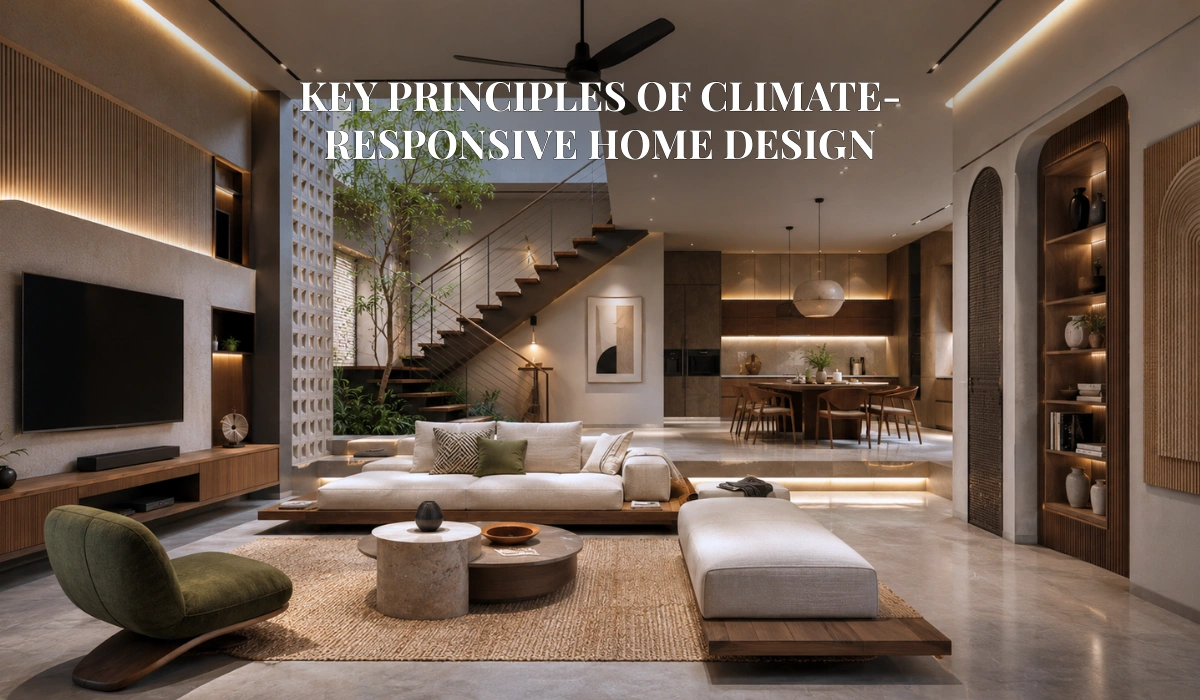
Now that you understand India’s climate zones, let’s look at the core principles that make a home truly climate-responsive.
Orientation and Sun Path
The direction your home faces impacts everything, from sunlight and heat to airflow and comfort.
- East-facing homes get morning sun (energizing)
- West-facing homes get harsh afternoon sun (needs shading)
- North-facing homes get soft, indirect light
- South-facing homes get consistent sun (good for winter warmth)
For hot regions like Jaipur, north and east orientations work best.
Cross-Ventilation
Cross-ventilation lets fresh air flow freely through your home, cooling it naturally.
- Place windows on opposite walls
- Use jaali (lattice) work for airflow
- Add ventilators near the ceiling
- Include central courtyards where possible
Additionally, our Architectural Planning & Spatial Engineering service designs homes with intelligent airflow at the heart of every layout.
Choose the Right Building Materials
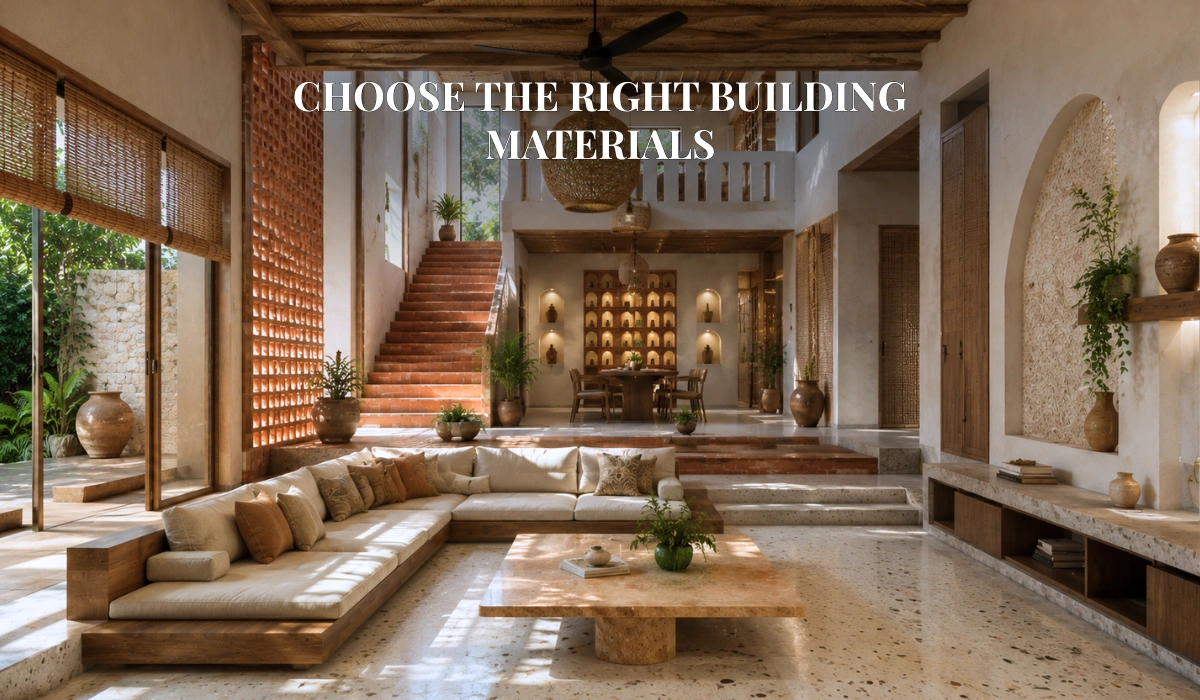
Materials play a huge role in how your home responds to climate. Some materials trap heat, while others reflect it. Some let air pass, while others block it. The right materials can make your home 5–10°C cooler in summer without any AC.
Best materials for climate-responsive Indian homes:
- Lime plaster and clay walls (natural cooling)
- Sandstone and terracotta (widely used in Rajasthan)
- Bamboo and wood (great insulation)
- Cavity walls (trap air for insulation)
- Reflective roof coatings (bounce back sunlight)
- Terrazzo, marble, or kota flooring (natural cooling)
According to research from the World Green Building Council, buildings made with natural, local materials can reduce cooling energy needs by up to 40%.
Design Roofs and Walls for Insulation
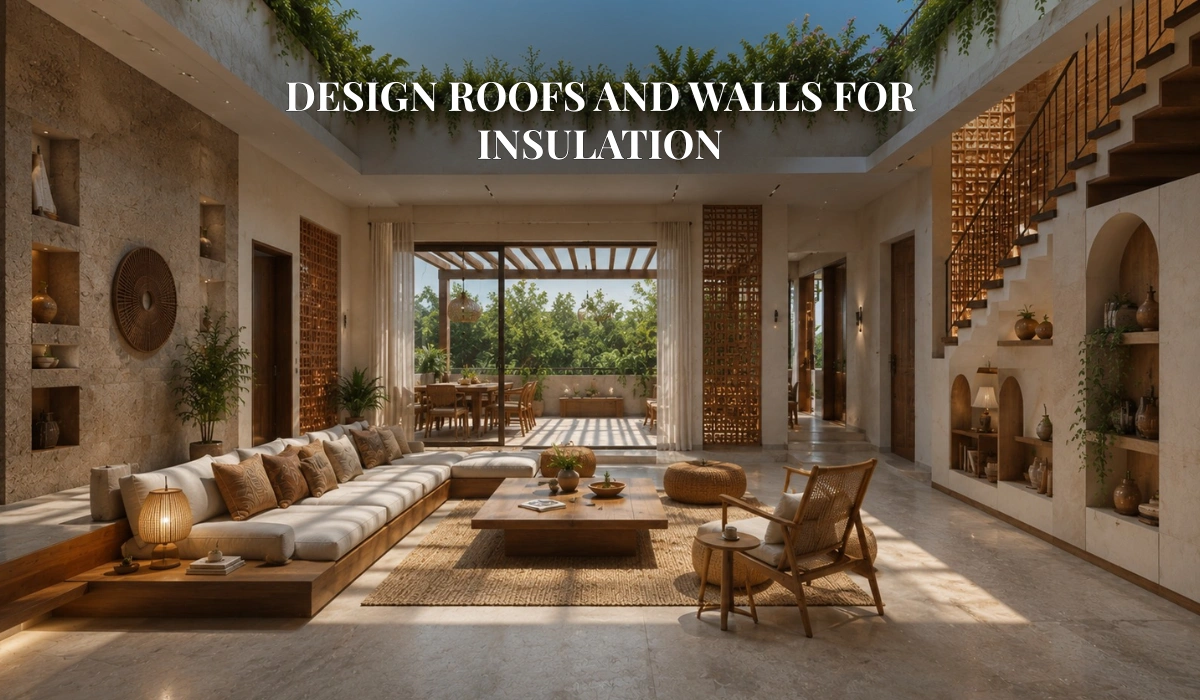
Roofs and walls take the biggest hit from Indian weather. Designing them thoughtfully can dramatically reduce indoor heat.
Smart roof and wall design tips:
- Use double-layered roofs with insulation between
- Add reflective paint on roofs
- Use thick walls in hot regions
- Add shaded balconies and pergolas
- Install roof gardens or terrace greenery
- Choose light-coloured exterior paints
Above all, insulation isn’t just about materials. It’s about how they work together to reduce heat transfer.
Windows That Work With the Weather
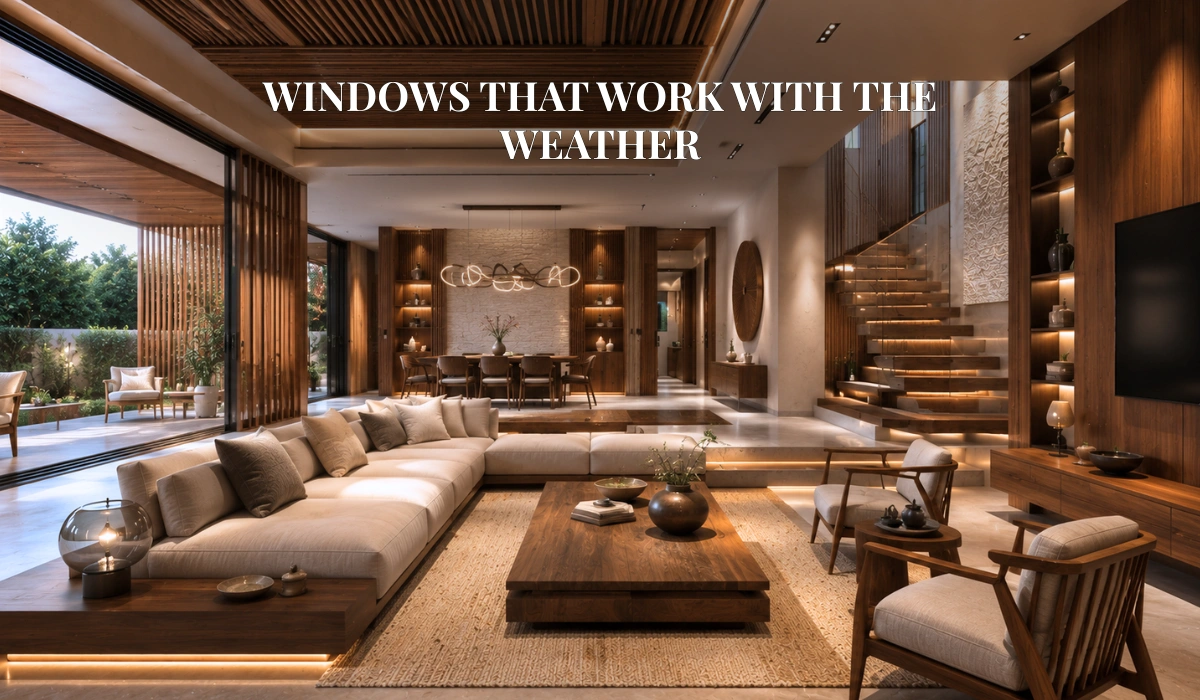
Windows are the eyes of your home. But they’re also the biggest source of heat gain, heat loss, and airflow. Designing them well is key to climate-responsive homes.
Window design tips for Indian climates:
- Use double-glazed windows in extreme climates
- Add exterior shading like chajjas and overhangs
- Choose UV-reflective glass in sunny regions
- Use openable windows on multiple sides for airflow
- Include mesh screens to block insects
- Add heavy curtains or blinds for insulation
Different rooms may need different window styles, kitchens need ventilation, bedrooms need light control, and living rooms need balance.
Add Traditional Indian Design Elements
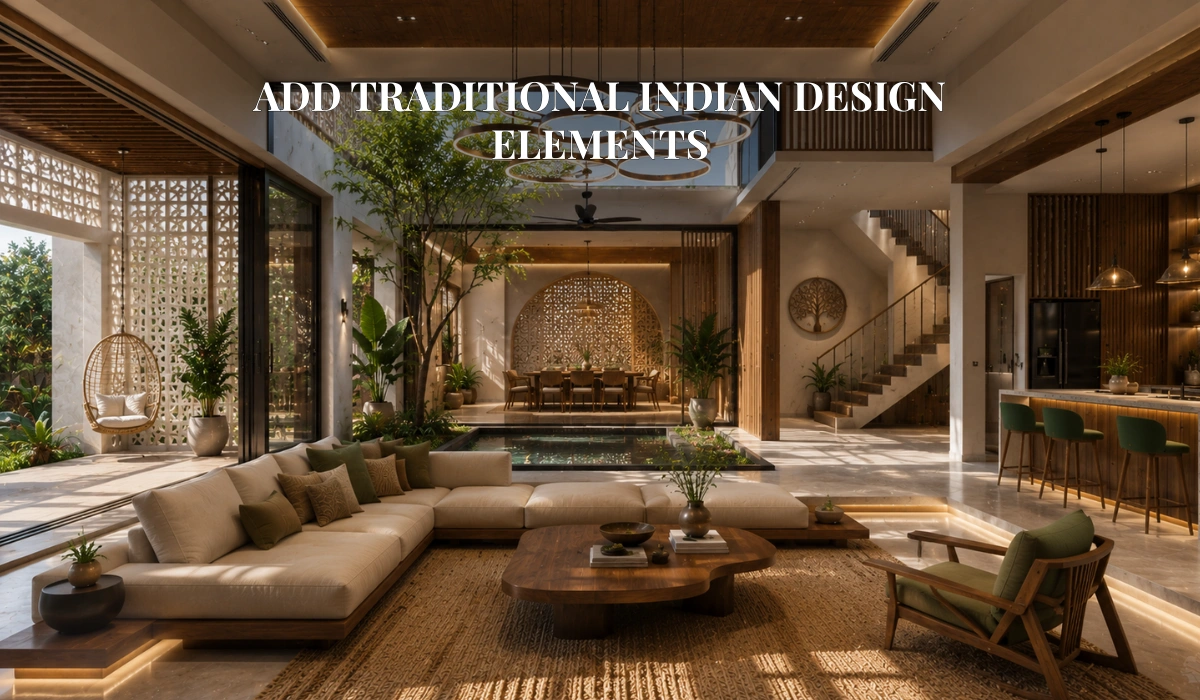
Traditional Indian architecture was climate-responsive long before it had a name. Bringing back these elements adds beauty and comfort to modern homes.
Timeless Indian design elements to consider:
- Jaalis (lattice screens) for airflow and privacy
- Jharokhas for shaded outdoor views
- Central courtyards for natural cooling
- Verandahs and covered balconies
- Chajjas over windows for shade
- Water bodies for evaporative cooling
Furthermore, these elements pair beautifully with modern interiors, adding character while performing a real function.
Smart Landscaping for Climate Control
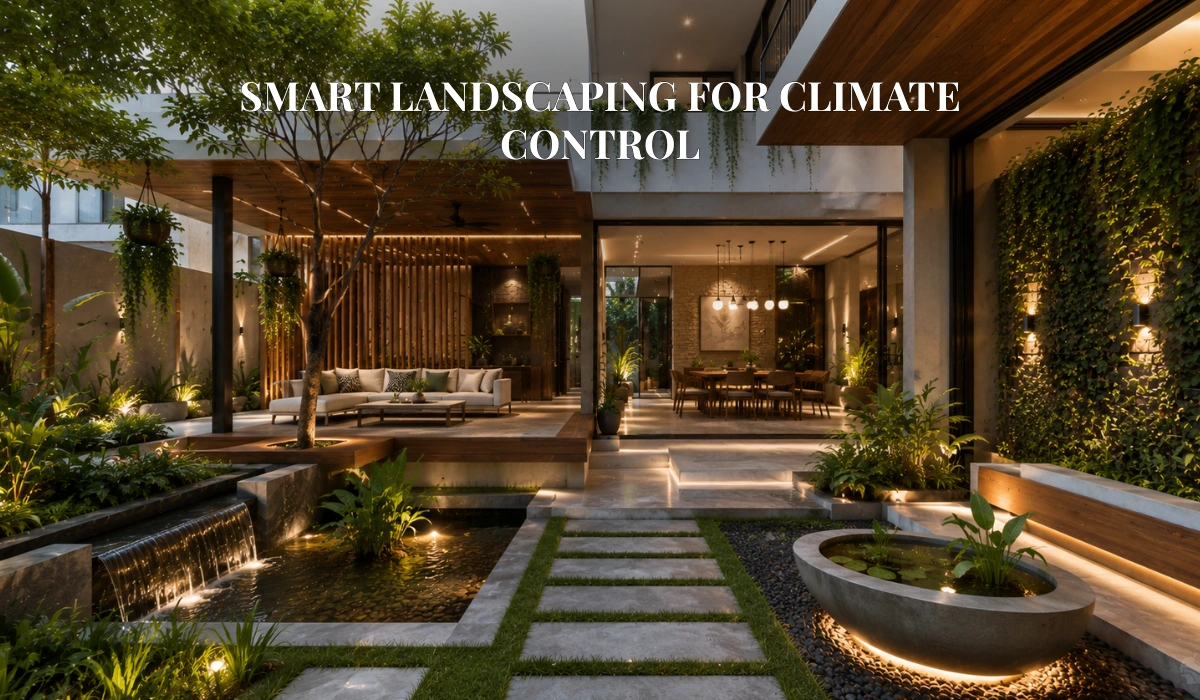
Your outdoor spaces impact indoor comfort more than most people realize. Trees, plants, and outdoor design can naturally cool your home.
Landscaping tips for climate-responsive homes:
- Plant trees on the south and west sides for shade
- Grow creepers and vines on hot walls
- Add water features to cool the surrounding air
- Use grass and green cover instead of concrete
- Create outdoor sitting areas with shade
- Grow terrace or balcony gardens
According to a report by IBEF, India’s growing focus on sustainable living is driving homeowners to invest in green landscaping and eco-friendly homes more than ever before.
Design for Natural Light and Ventilation
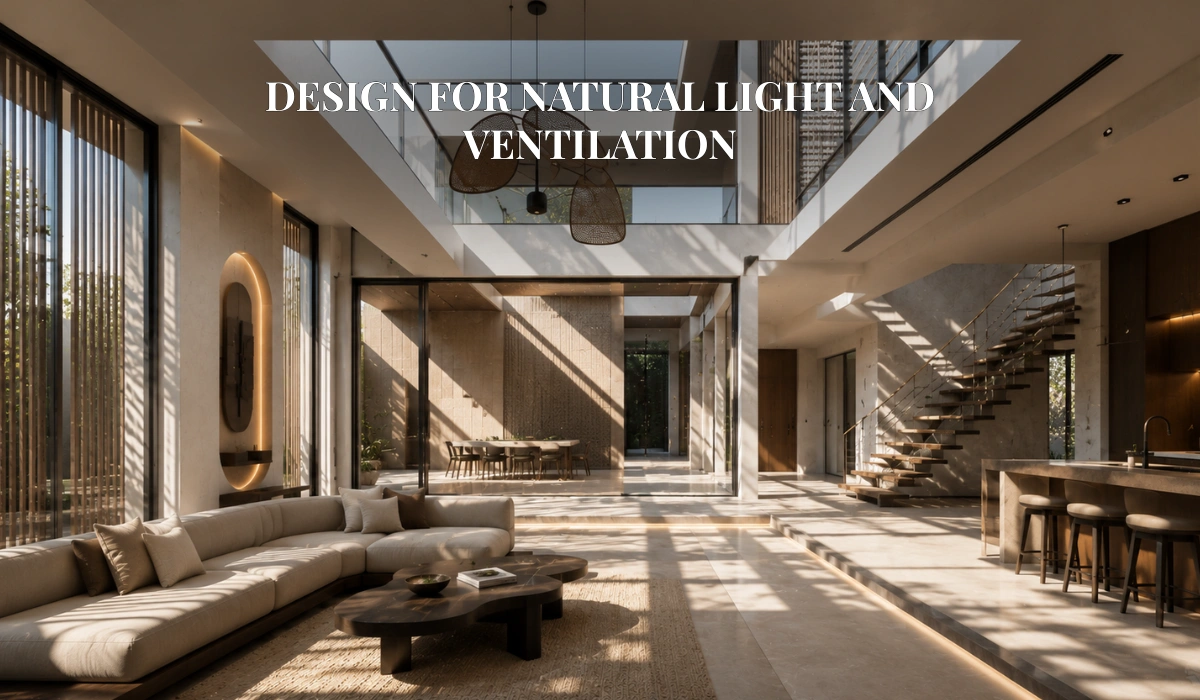
Homes with plenty of natural light and airflow are healthier, happier, and more energy-efficient. The best climate-responsive designs prioritize both.
Ways to maximize natural light and airflow:
- Use large windows in living areas
- Add skylights in inner rooms
- Include internal courtyards for light wells
- Design open floor plans for air movement
- Use sheer curtains instead of heavy drapes
- Choose reflective surfaces to bounce light
Additionally, keep tall trees or buildings from blocking natural light on the sunniest side of your home.
Choose Energy-Efficient Interiors
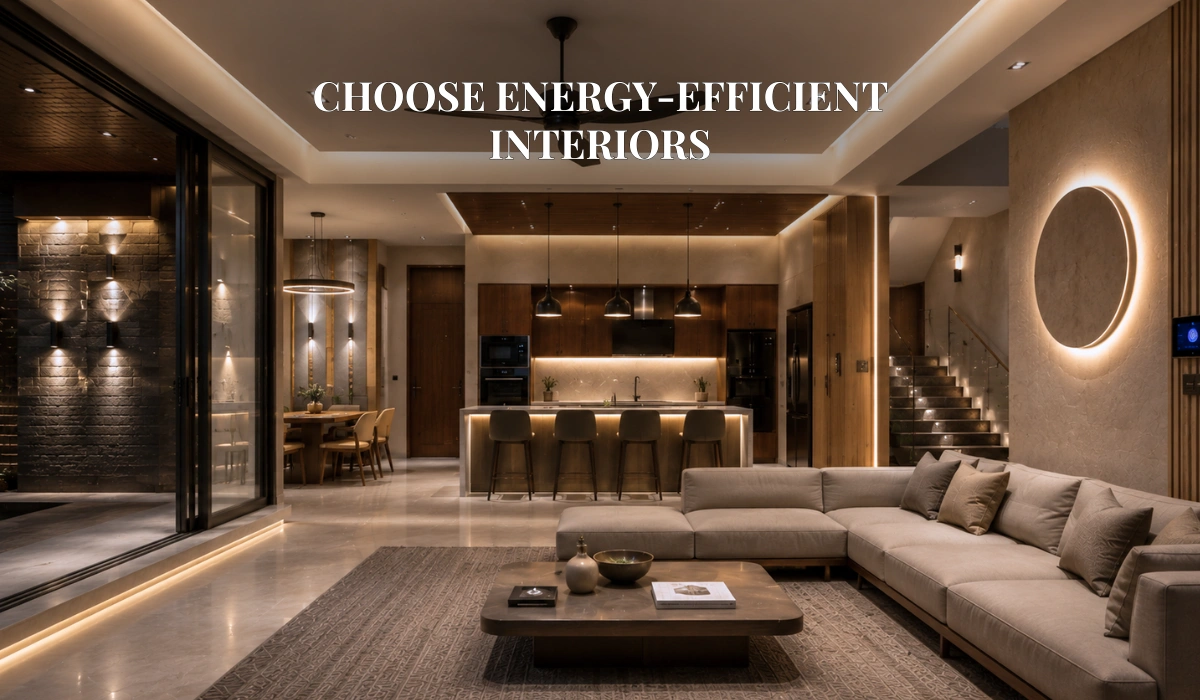
Even after climate-smart architecture, your interiors play a big role in energy use. Choosing the right elements inside can further reduce electricity bills.
Energy-saving interior choices:
- LED lighting throughout the home
- Ceiling fans in every room
- Light-coloured walls to reduce lighting needs
- Energy-efficient appliances (5-star ratings)
- Solar water heaters and lights
- Smart thermostats and motion sensors
Explore our Turnkey Interior Execution service for full energy-efficient home design and delivery.
Vastu and Climate-Responsive Design: The Perfect Pair
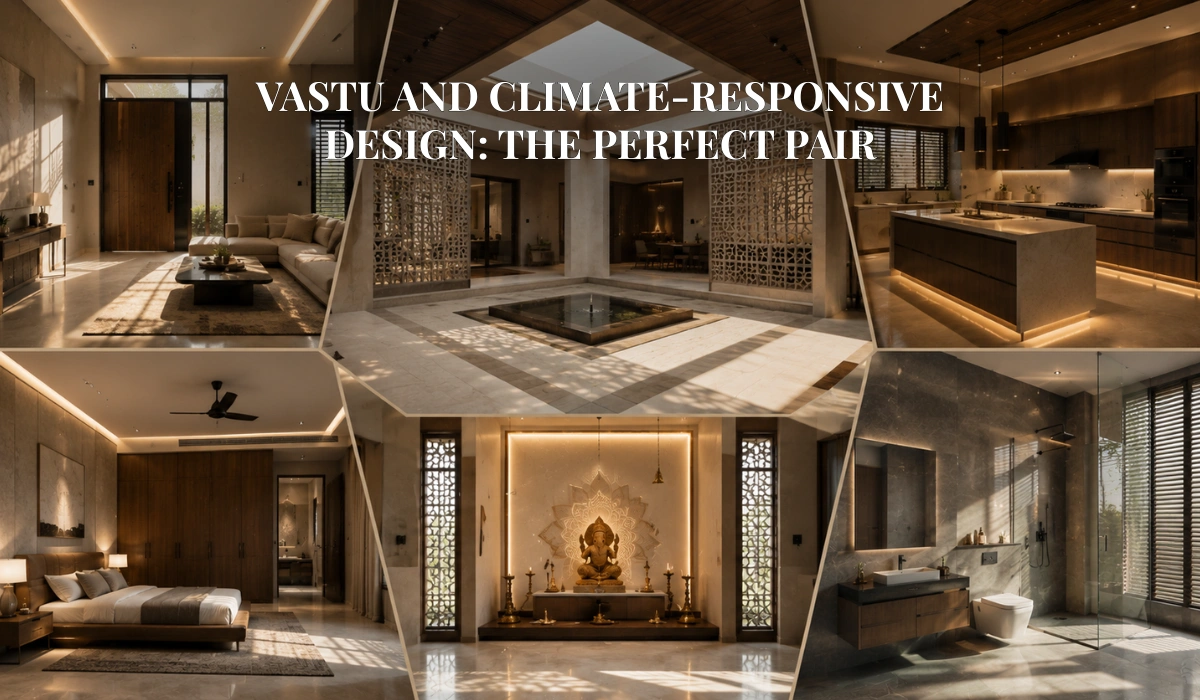
Interestingly, traditional Indian Vastu Shastra was climate-responsive long before science caught up. Vastu principles naturally align with modern climate design.
How Vastu supports climate-responsive design:
- Main entrance in the North or East (soft morning sun)
- Kitchen in the South-East (uses natural heat)
- Bedrooms in the South-West (grounded, cooler)
- Pooja room in the North-East (pure morning energy)
- Bathrooms in the North-West (uses natural airflow)
- Central courtyards for cooling and balance
When Vastu and climate-responsive design come together, you get homes that are naturally comfortable, energetically balanced, and stunning to live in. See real climate-friendly homes in our Portfolio.
The Long-Term Benefits of Climate-Responsive Homes
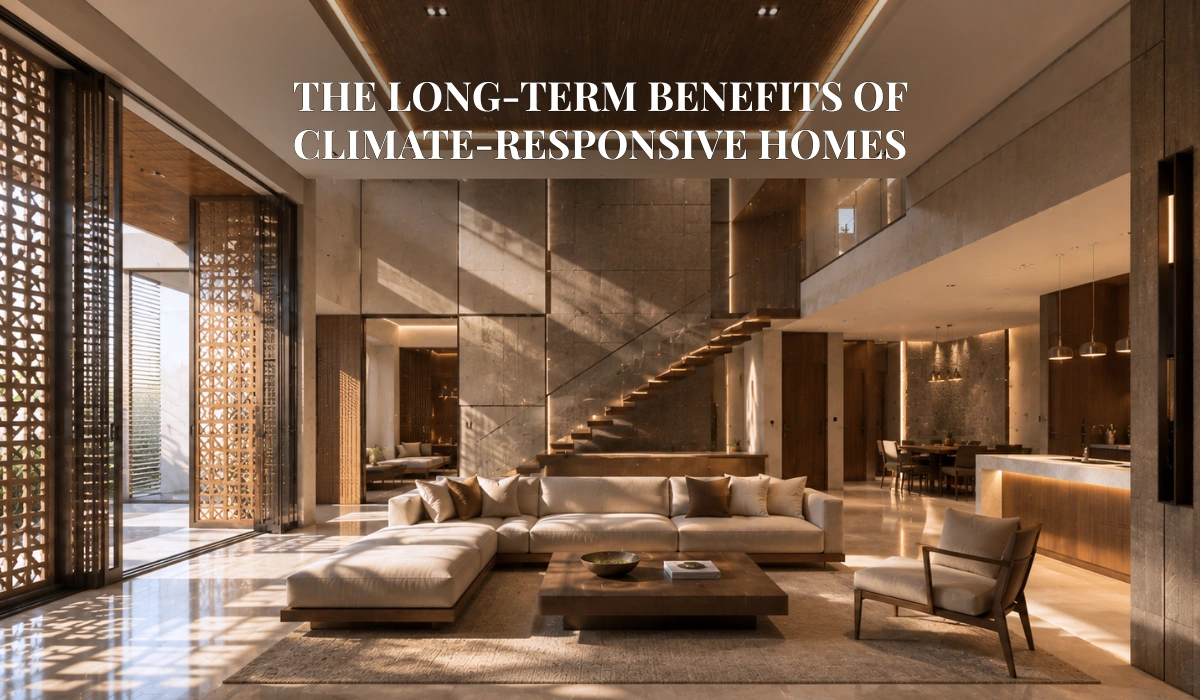
Investing in a climate-responsive home pays off in more ways than one. It’s a decision that impacts your comfort, health, wallet, and even the planet.
Key long-term benefits include the following:
- Lower electricity bills (up to 40% savings)
- Better indoor comfort year-round
- Improved air quality and health
- Higher resale value
- Reduced environmental impact
- Homes that stay beautiful for decades
Above all, climate-responsive homes feel better. They’re quieter, cooler, more natural, and more welcoming.
Bringing Modern Style and Smart Design Together
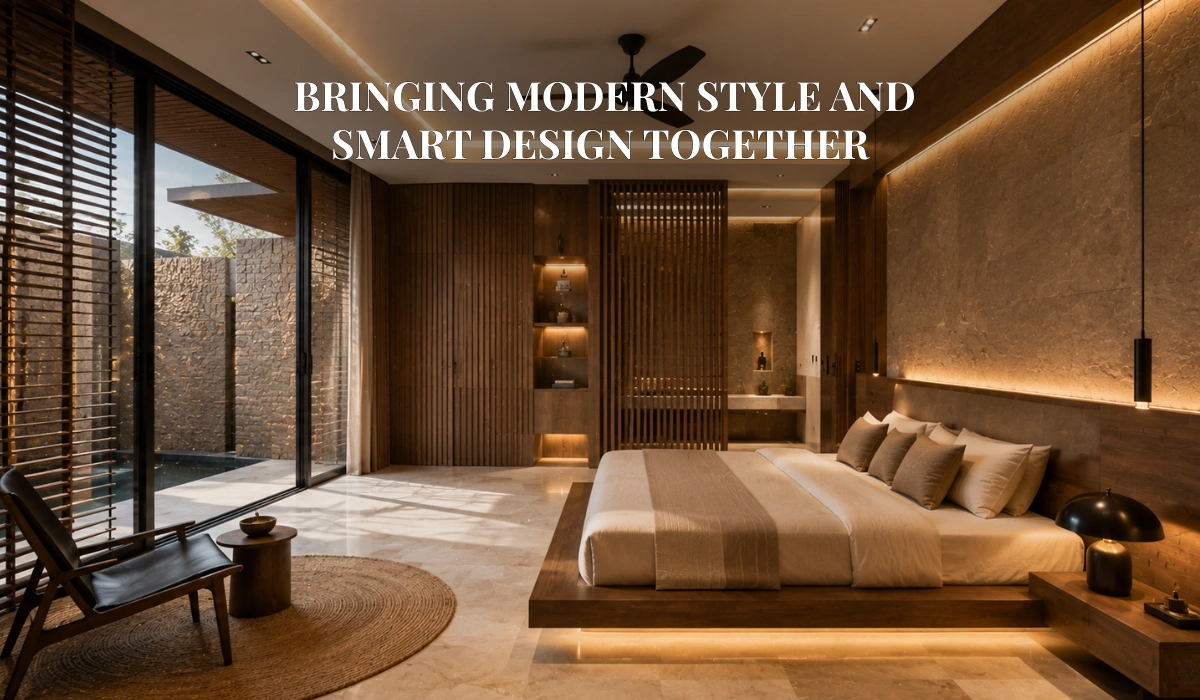
The best part about climate-responsive design? You don’t have to sacrifice style. Today’s homes blend traditional wisdom with modern aesthetics beautifully, creating spaces that look premium and perform even better.
To create a climate-smart yet stunning home, focus on:
- Natural materials with premium finishes
- Warm, earthy colour palettes
- Layered lighting that reduces energy use
- Timeless designs that never date
- Functional yet elegant furniture
- Vastu-integrated principles
The result is a home that’s ready for any weather while feeling utterly beautiful every day.
Final Thoughts
Climate-responsive design isn’t just a trend. It’s the future of Indian home design. In a country as climatically diverse as ours, ignoring the weather is one of the costliest mistakes homeowners can make. But when you design a home that works with nature, magic happens, your electricity bills drop, your indoor air feels fresh, and your family lives more comfortably every single day.
By combining traditional wisdom, smart materials, energy-efficient interiors, and Vastu principles, you can create a home that’s beautifully modern and beautifully practical. Most importantly, you’ll create a space that’s ready for whatever tomorrow’s weather brings.
So, if you’re ready to design a home built for Indian weather and Indian living, connect with the Best Interior Designer in Jaipur — Ravi Vastu Interior — and let us craft a home that’s beautiful, balanced, and truly climate-smart.
Frequently Asked Questions
Climate-responsive home design is an approach that considers the local weather, sunlight, and airflow while designing a home. It uses smart materials, layouts, and design choices to make homes naturally comfortable, reducing the need for artificial cooling, heating, and lighting.
By using natural ventilation, insulation, shading, and energy-efficient interiors, climate-responsive homes can reduce electricity use by up to 40%. Better airflow lowers AC dependence, while natural light reduces daytime lighting needs.
Yes, it’s especially important for hot and dry cities like Jaipur. Elements like thick walls, courtyards, jaalis, jharokhas, and light exterior colors can make homes 5–10°C cooler naturally, perfect for Rajasthan’s climate.
Not necessarily. While some smart materials may cost slightly more upfront, they save significant money on energy bills over 15–20 years. Additionally, natural cooling and lighting reduce the need for expensive AC and lighting systems.
Ravi Vastu Interior blends climate-smart design with Vastu wisdom and modern aesthetics. With a deep understanding of Rajasthan’s climate, premium materials, and personalized attention, we design homes that stay comfortable, energy-efficient, and beautiful all year round.